One-Stop Solution

Endoscopic Spine Surgery: Minimally Invasive. Maximum Relief.

What is Endoscopic Spine Surgery?

(What Are Minimally Invasive Spine Interventions?)

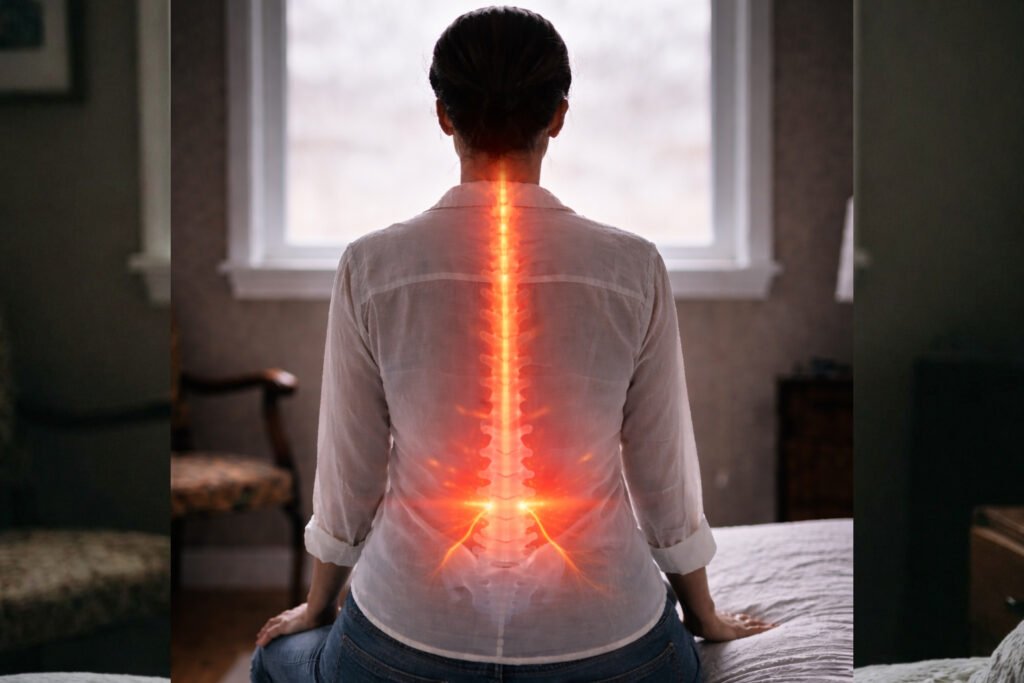
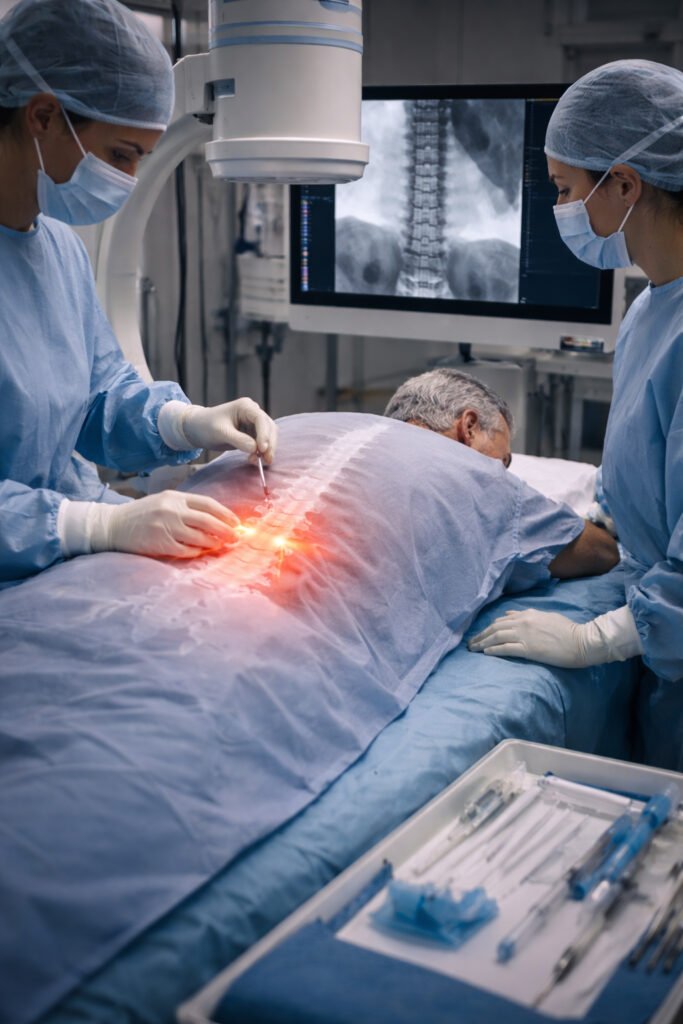
Spine problems are common, but many avoid treatment due to fear of large, invasive surgeries that require big incisions and long recovery. Minimally invasive and endoscopic spine interventions have changed this. Using advanced tools and techniques, these procedures require smaller incisions, cause less tissue damage, and allow faster recovery compared to traditional spine surgery.

What are the Types of Minimally Invasive Spine Interventions?

These procedures offer effective solutions for back and nerve pain with minimal downtime and faster recovery, helping patients return to daily life with less discomfort.

What are the Types of Minimally Invasive Spine Interventions?

These procedures offer effective solutions for back and nerve pain with minimal downtime and faster recovery, helping patients return to daily life with less discomfort.

Transforaminal Endoscopic Lumbar Decompression

A minimally invasive procedure to relieve lower back pain caused by compressed nerves. Using an endoscope and small instruments inserted through a tiny incision, the surgeon removes disc or bone pressing on the nerve. This helps reduce pain, numbness, or weakness, often seen in conditions like sciatica.

Interlaminar Endoscopic Lumbar Decompression

A minimally invasive technique for spinal stenosis or herniated discs. A small tube is inserted between the vertebrae through the back, allowing the surgeon to remove tissue pressing on the nerve using an endoscope. This reduces pain, improves mobility, and supports faster recovery with minimal tissue damage.

Percutaneous Stenoscopic Lumbar Decompression

A minimally invasive procedure for spinal stenosis, where a narrow spinal canal compresses nerves. Using a tiny tube with a camera and instruments, the surgeon removes bone or tissue pressing on the nerves, offering less pain and faster recovery compared to traditional surgery.

Transforaminal Endoscopic Lumbar Decompression

It is a decompression procedure that is used when your nerve gets compressed due to a lack of space in the spinal cavity. This procedure is designed to relieve pain caused by a compressed nerve in the lower back. It is done using a small camera which is known as an endoscope and other small instruments, inserted through a tiny incision in the side of the spine. The surgeon removes

Interlaminar Endoscopic Lumbar Decompression

This is another minimally invasive technique to treat spinal stenosis or herniated discs. A small tube is inserted between the vertebrae through the back to reach the problem area. The surgeon uses an endoscope to remove the tissue causing the nerve compression. This approach helps reduce pain and improve mobility with minimal tissue damage and a quicker recovery

Percutaneous Stenoscopic Lumbar Decompression

This procedure is used to treat spinal stenosis, a condition where the spinal canal narrows and puts pressure on the nerves. The surgeon uses a tiny tube with a camera and specialized instruments to remove the tissue or bone causing the nerve compression. This procedure offers a less painful alternative to traditional surgery and helps patients recover faster

Lumbar Endofusion

Lumbar Endofusion is a minimally invasive procedure to treat spinal instability or severe degeneration of discs. Using small incisions, the surgeon inserts an endoscope to decompress the spinal level and fuses the affected vertebrae through various percutaneous implant systems to prevent painful movement between them. This procedure stabilizes the spine and reduces pain while minimizing muscle damage, leading to a faster recovery

Epidural Neuroplasty

Epidural neuroplasty is a non-surgical procedure used to treat chronic pain caused by scar tissue in the spine. It involves injecting a special fluid into the epidural space, the area around the spinal nerves, to break down scar tissue and reduce nerve compression. It can provide relief from back pain, sciatica, and even pain following previous spine surgeries

Spinal Cord Stimulator Implantation

This procedure is recommended for patients with chronic pain that doesn’t respond to other treatments. A small device called a spinal cord stimulator, is implanted under the skin. It sends mild electrical pulses to the spinal cord, blocking pain signals before they reach the brain. It offers relief from back, leg, or arm pain and is adjustable to suit each patient’s needs

Percutaneous Rhizotomy

Percutaneous Rhizotomy is a minimally invasive procedure that targets nerves causing chronic pain. Using a needle and radiofrequency energy, the surgeon disrupts the nerve responsible for sending pain signals. This helps reduce or eliminate pain in areas such as the neck, back, or face. It is a safe option for people with conditions like arthritis or nerve-related pain

Spine Regenerative Intervention

When the spine is treated as a functional spine unit, there can be multiple causes of pain in the spine, from discs to joints to muscles and ligaments, and in a lot of cases, regenerative orthobiologics have given good outcomes for the same. We at Advanced Spine Endoscopy Centre are pioneering work in spine Regenerative orthobiologics to help heal your spine, as not all will require surgery for their sciatica or slipped disc and back pains

Transforaminal Endoscopic Lumbar Decompression

It is a decompression procedure that is used when your nerve gets compressed due to a lack of space in the spinal cavity. This procedure is designed to relieve pain caused by a compressed nerve in the lower back. It is done using a small camera which is known as an endoscope and other small instruments, inserted through a tiny incision in the side of the spine. The surgeon removes parts of the disc or bone pressing on the nerve, providing relief from pain, numbness, or weakness. It is a safe, less invasive way to ease discomfort caused by conditions like sciatica

Interlaminar Endoscopic Lumbar Decompression

This is another minimally invasive technique to treat spinal stenosis or herniated discs. A small tube is inserted between the vertebrae through the back to reach the problem area. The surgeon uses an endoscope to remove the tissue causing the nerve compression. This approach helps reduce pain and improve mobility with minimal tissue damage and a quicker recovery

Percutaneous Stenoscopic Lumbar Decompression

This procedure is used to treat spinal stenosis, a condition where the spinal canal narrows and puts pressure on the nerves. The surgeon uses a tiny tube with a camera and specialized instruments to remove the tissue or bone causing the nerve compression. This procedure offers a less painful alternative to traditional surgery and helps patients recover faster

Lumbar Endofusion

Lumbar Endofusion is a minimally invasive procedure to treat spinal instability or severe degeneration of discs. Using small incisions, the surgeon inserts an endoscope to decompress the spinal level and fuses the affected vertebrae through various percutaneous implant systems )to prevent painful movement between them. This procedure stabilizes the spine and reduces pain while minimizing muscle damage, leading to a faster recovery

Epidural Neuroplasty

Epidural neuroplasty is a non-surgical procedure used to treat chronic pain caused by scar tissue in the spine. It involves injecting a special fluid into the epidural space, the area around the spinal nerves, to break down scar tissue and reduce nerve compression. It can provide relief from back pain, sciatica, and even pain following previous spine surgeries

Spinal Cord Stimulator Implantation

This procedure is recommended for patients with chronic pain that doesn’t respond to other treatments. A small device called a spinal cord stimulator, is implanted under the skin. It sends mild electrical pulses to the spinal cord, blocking pain signals before they reach the brain. It offers relief from back, leg, or arm pain and is adjustable to suit each patient’s needs

Percutaneous Rhizotomy

Percutaneous Rhizotomy is a minimally invasive procedure that targets nerves causing chronic pain. Using a needle and radiofrequency energy, the surgeon disrupts the nerve responsible for sending pain signals. This helps reduce or eliminate pain in areas such as the neck, back, or face. It is a safe option for people with conditions like arthritis or nerve-related pain

Spine Regenerative Intervention

When the spine is treated as a functional spine unit, there can be multiple causes of pain in the spine, from discs to joints to muscles and ligaments, and in a lot of cases, regenerative orthobiologics have given good outcomes for the same. We at Advanced Spine Endoscopy Centre are pioneering work in spine Regenerative orthobiologics to help heal your spine, as not all will require surgery for their sciatica or slipped disc and back pains

Who Can Benefit from Endoscopic Spine Surgery?

Endoscopic Spine Surgery is an advanced minimally invasive treatment option designed for patients suffering from various spine-related conditions that do not improve with medication, physiotherapy, or rest. These procedures help relieve nerve compression, reduce pain, and restore mobility with minimal tissue damage. Patients who may benefit include those with the following conditions:

Herniated Disc

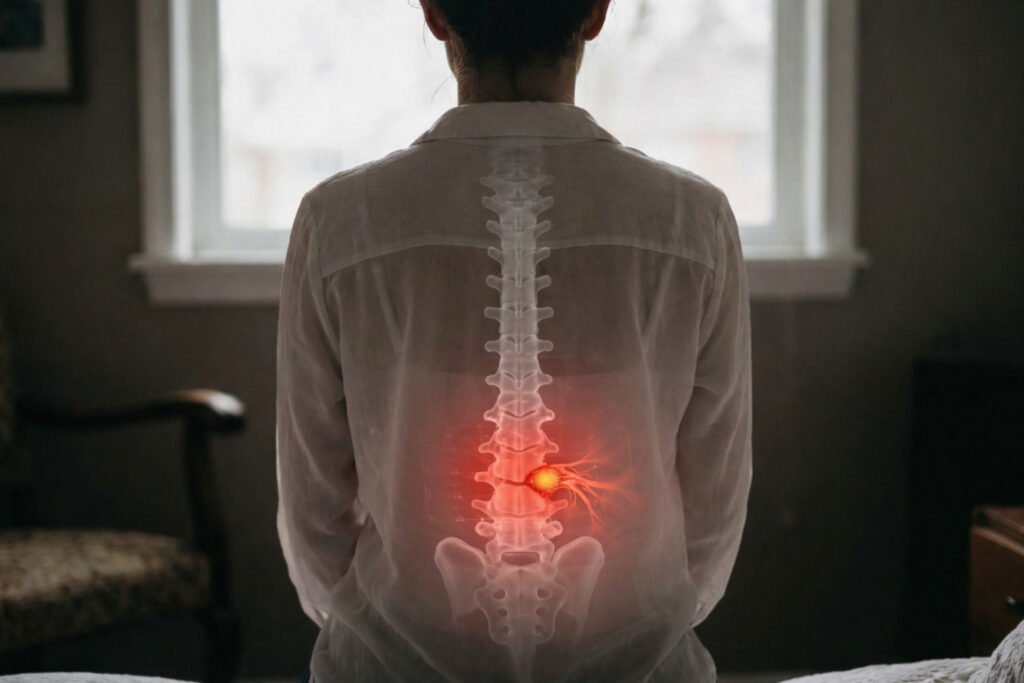
While many herniated disc cases heal naturally, some require surgical intervention. Endoscopic spine surgery allows the surgeon to partially or completely remove the ruptured disc, relieving pressure on spinal nerves. This decompression creates more space within the spinal canal and helps reduce pain and discomfort.

Sciatica

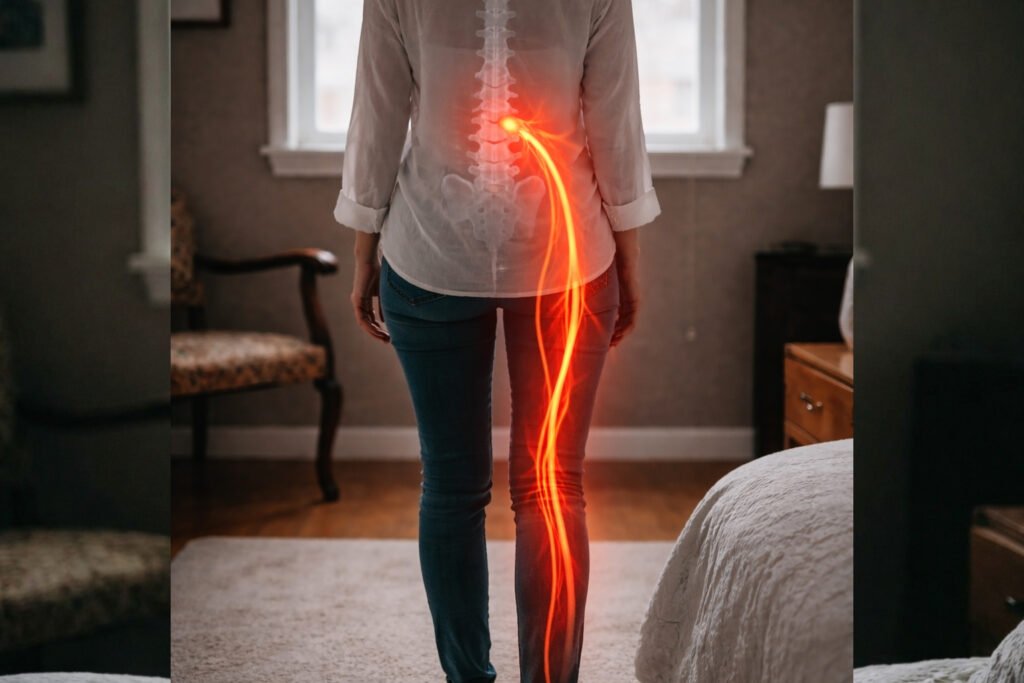
Sciatica occurs when the sciatic nerve becomes compressed, often due to a herniated disc or other spinal issues. If symptoms such as radiating leg pain, numbness, or weakness persist, minimally invasive endoscopic decompression can effectively relieve nerve pressure and improve symptoms.

Spinal Stenosis

Spinal stenosis causes chronic back pain and radiating nerve pain due to narrowing of the spinal canal. In many cases, this narrowing is caused by scar tissue buildup that does not resolve on its own. Endoscopic procedures, such as neuroplasty, are used to remove scar tissue and decompress nerves, providing long-term pain relief.

Degenerative Disc Disease (DDD)

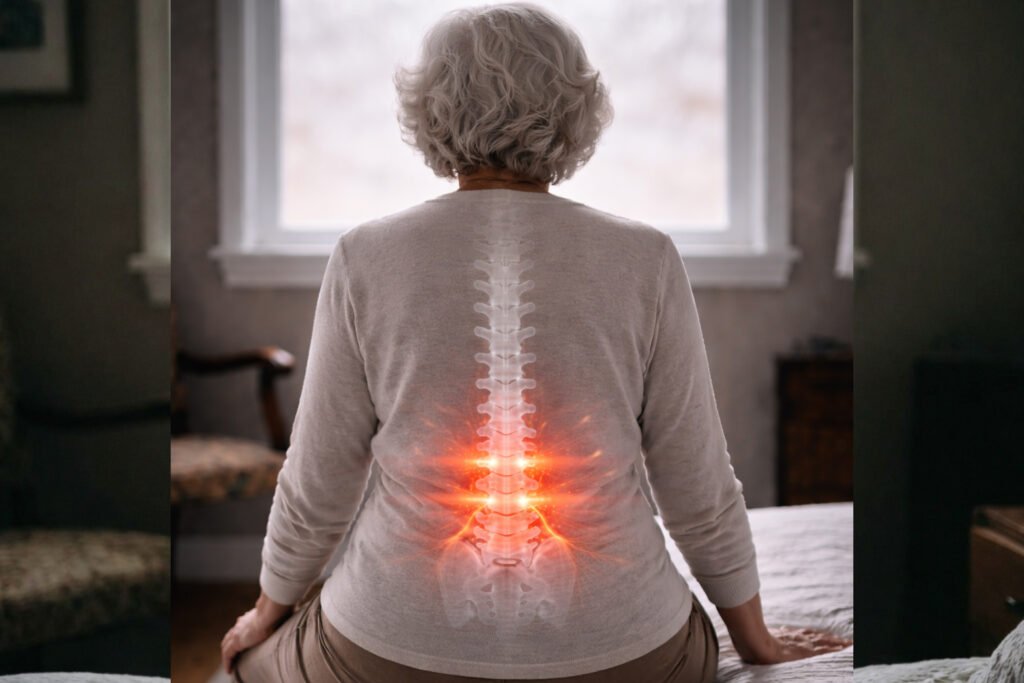
Degenerative Disc Disease is an age-related condition caused by gradual wear and tear of spinal discs. Over time, it can lead to herniated discs, spinal stenosis, and chronic pain. Since natural healing is limited, surgery may be required. Endoscopic procedures like lumbar endo-fusion are commonly used due to their low trauma, minimal muscle damage, and faster recovery.

Symptoms Checker

There are some common symptoms which can be observed in people who suffer from spinal disorders. For spine care and personalized treatment plans, trust the Best doctors for spine treatment in Delhi at Advanced Spine Endoscopy Centre. Here, you’ll get the best possible care to reduce your pain and restore your mobility.

How Does Minimally Invasive Spine Interventions Work?

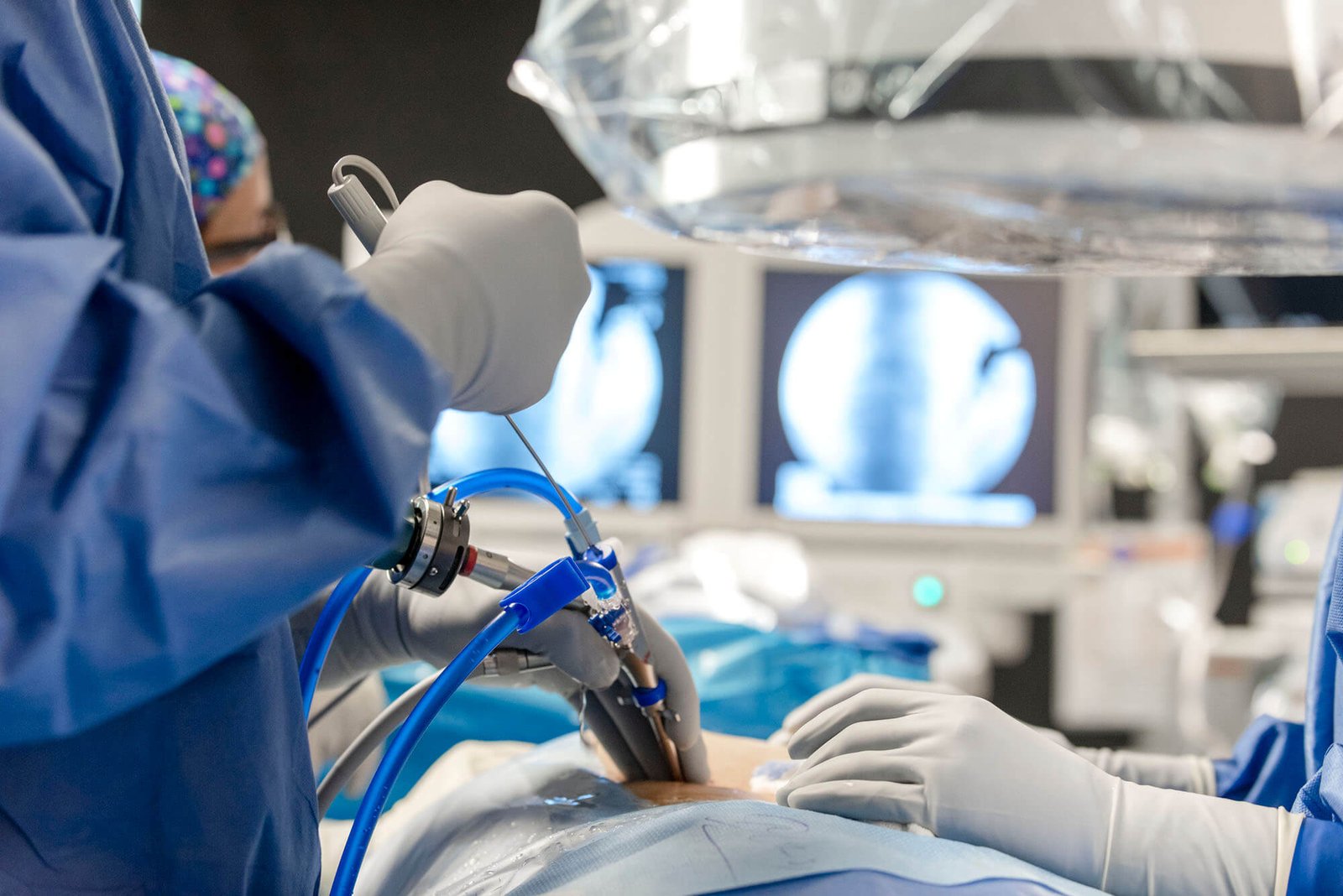
As the name refers, minimally invasive interventions are focused to be not as invasive as traditional surgeries. There are a lot of treatment methods that have been available for surgeons for quite a time now. But the problem was that even if the main goal of the surgery was to decompress a disc, it required a deep and big incision to be made. But with new and advanced procedures like laparoscopy and endoscopy, the main goal is the same while the way to enter the body has changed. In endoscopic procedures, smaller instruments are passed through small incisions and the surgery is performed.

Now, you may think how does the surgeon know where to operate? This is the main problem solved with such procedures. Basically, the surgeon uses a mini light source and telescope to access the inner view which can also be passed through a small incision. On the other hand, the traditional methods needed bigger incisions just because the surgeon has no other pay to peek inside the patient’s body.

Benefits of Endoscopic Spine Surgery

Minimally invasive spine treatments offer several advantages over traditional open surgeries. Here are the key pros:

Smaller Incisions

Minimally invasive procedures use much smaller incisions compared to traditional surgery. This results in less damage to the surrounding muscles and tissues, reducing trauma to the body.

Reduced Pain

Since there is less tissue damage, patients often experience less post-operative pain. This can reduce the need for pain medications during recovery.

Faster Recovery Time

Minimally invasive techniques typically lead to a quicker recovery. Patients can return to their normal activities sooner compared to the longer recovery time required after open surgery.
Less Scarring

The smaller incisions lead to less noticeable scars. This can be an aesthetic benefit, especially for patients concerned about visible scarring.

Lower Risk of Complications

With smaller incisions and less disruption to the body, the risk of complications such as infections, excessive bleeding, or post-surgical pain is reduced.

Shorter Hospital Stays

Minimally invasive spine treatments often allow for shorter hospital stays. Some procedures may even be performed on an outpatient basis, allowing patients to go home the same day.

Reduced Blood Loss

Because the incisions are smaller and there is less tissue disruption, patients tend to lose less blood during minimally invasive procedures, reducing the need for transfusions.

Preservation of Muscle Function

Minimally invasive techniques focus on preserving as much of the surrounding muscle and tissue as possible. This leads to better post-surgical function and mobility.

Improved Precision

Advanced tools like endoscopes and microscopes provide surgeons with a clearer view of the surgical site, improving accuracy and the overall success rate of the procedure.

Recovery and Aftercare

Recovery Features After Minimally Invasive Spine & Endoscopic Procedures:

Faster Recovery Compared to Open Surgery

Minimally invasive and endoscopic spine interventions are designed to reduce trauma to muscles and tissues, which often results in quicker healing and shorter downtime than traditional open back surgeries.

Reduced Post-Op Pain

Because these procedures involve smaller incisions and less tissue disruption, patients typically experience less pain after surgery, which can reduce the need for strong pain medications during recovery.

Shorter Hospital Stay

Many patients undergoing minimally invasive spine interventions may be discharged sooner than with conventional surgery, sometimes even on the same day or after a brief observation period.

Early Mobility

Patients are encouraged to start gentle movement soon after the procedure, as permitted by their surgeon, to aid recovery and prevent stiffness or complications such as blood clots.

Cost of Minimally Invasive Interventions

The cost of minimally invasive intervention differs based on what the complication is and which type of intervention is required. Since most of the minimally invasive interventions are based on endoscopy which in India can cost around ₹2 lakh to 4.5 lakhs. However, the cost of treatment may get higher including other formalities. Moreover, some interventions are costlier than endoscopic intervention, so you can contact Advanced Spine Endoscopy Centre to get the accurate cost.

Cost of Minimally Invasive Interventions

The cost of minimally invasive intervention differs based on what the complication is and which type of intervention is required. Since most of the minimally invasive interventions are based on endoscopy which in India can cost around ₹2 lakh to 4.5 lakhs. However, the cost of treatment may get higher including other formalities. Moreover, some interventions are costlier than endoscopic intervention, so you can contact Advanced Spine Endoscopy Centre to get the accurate cost.

Need More Info! Write To Us :

Cost of Minimally Invasive Interventions

The cost of minimally invasive intervention differs based on what the complication is and which type of intervention is required. Since most of the minimally invasive interventions are based on endoscopy which in India can cost around ₹2 lakh to 4.5 lakhs. However, the cost of treatment may get higher including other formalities. Moreover, some interventions are costlier than endoscopic intervention, so you can contact Advanced Spine Endoscopy Centre to get the accurate cost.

Need More Info!

Write To Us:

How to care for your spine?

If you are struggling with spine pain, Advanced Spine Endoscopy Centre offers top-notch spine pain treatment in Delhi. You can talk to skilled specialists who will provide you with advanced and effective solutions that are tailored to your needs.
Taking care of your spine is important to maintain a good quality of life. Hence, here are a few ways to take care of your spine-

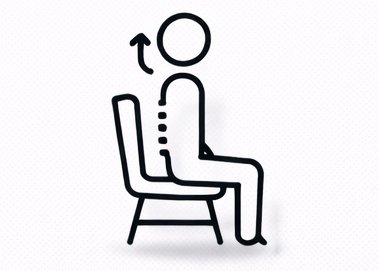
Practice Good Posture

Sit and stand with a straight back to reduce the pressure on your spine.

Regular Exercise

Engaging in core-strengthening exercises makes the muscles around the spine stronger. This, in turn, strengthens the spine. Low-impact exercises like walking also improve spinal health.

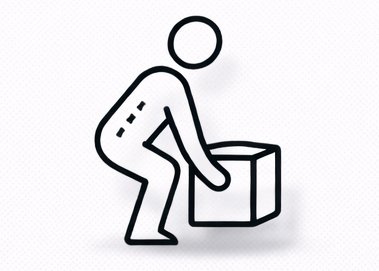
Lifting Properly

While lifting heavy objects, be mindful of your posture. Avoid bending from the waist and instead bend your knees first.

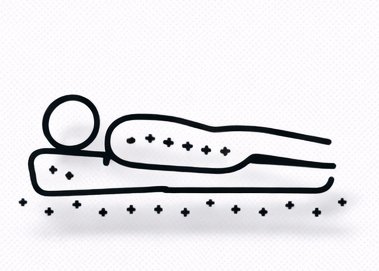
Sleep on a Supportive Mattress

A mattress that keeps the spine aligned helps promote spinal health. Also, avoid sleeping on your stomach.

Drink Water

Stay hydrated by drinking plenty of water. It will keep the spinal discs hydrated and flexible.

Maintain Proper Weight

Reducing excess weight can minimize strain on the spine.

What are the Best Options to Treat Spinal Disorders?

There are many ways to treat spinal disorders. However, it mainly depends on what kind of condition the patient is suffering from. In the case of a herniated disc, one of the most common spinal conditions, it mostly gets cured on its own. However, there is a need for surgical intervention in some rare cases. So, we opt for a minimally invasive spinal surgery like Microdiscectomy or laminectomy.

In case a person suffers from spinal stenosis, specifically lumbar spinal stenosis, then lumbar decompression is the best way to get rid of the persisting pain. The doctors can suggest various ways of conducting this procedure, which include transforaminal or interlaminar endoscopic lumbar decompression. Besides, they can also perform a percutaneous endoscopic lumbar decompression to relieve the pressure from the nerves.

Degenerative disc disease is mainly treated with lumbar endo-fusion if the affected disc lies in the lumbar region. Another treatment for this condition is the spinal cord stimulator implantation, which is used when the conservative methods are unable to provide relief from the pain.

Now, there are several spinal conditions, and each of them can be treated in various ways. Hence, it is best to consult a doctor as he/she can help you to identify the cause and give the right diagnosis.

You can consult experts at the Advanced Spine Endoscopy Centre as they take in-depth sessions with you to understand your case better. Besides, they specialize in spine pain treatment without surgery in Delhi and offer minimally invasive and advanced techniques to help you recover quickly and comfortably.

Book Appointment